
Types of pediatric nurses range from medical-surgical to intensive care to home health to advanced practice and more. Learn what pediatric nurses do, where they work, and the steps needed to begin a career caring for children. It all begins with earning a nursing degree.
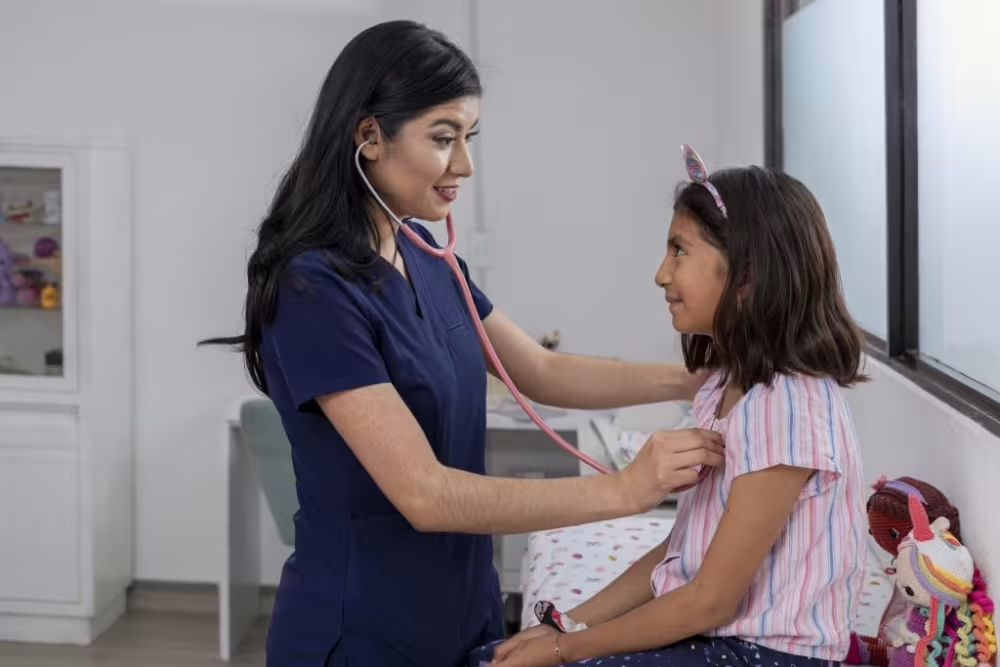
Pediatric nursing combines clinical care with knowledge of how children develop. Because patients range from infants to adolescents and young adults, nurses must adjust assessments, explanations, and care plans to each child’s age and needs. Pediatric nurses work with children in doctor’s offices, schools, intensive care units, and other settings.
For students who already have a non-nursing bachelor’s degree or at least 62 non-nursing college credits, Northeastern University’s Accelerated Bachelor of Science in Nursing (ABSN) program offers second-degree and transfer paths to a BSN in as few as 16 months. The program blends online coursework with hands-on labs and clinical learning near Boston, Massachusetts; Providence, Rhode Island; and in Charlotte, North Carolina.
If pediatric care interests you, learning what pediatric nurses do, where they work, and how specialties differ can help you picture possible directions for your career. Here are pediatric and closely related nursing paths, followed by the steps to enter the field.
What Is Pediatric Nursing?
Pediatric nursing is the care of children and their families across developmental stages and healthcare settings. According to the Society of Pediatric Nurses, pediatric nurses are registered nurses who learn to care for children through nursing coursework and guided clinical experiences. Nurses generally specialize after licensure by seeking a position in a setting that serves pediatric patients.
What pediatric nurses do varies by role. Common responsibilities include:
- Assessing a child’s condition
- Administering medications
- Monitoring responses to treatment
- Supporting procedures
- Coordinating care with other healthcare professionals
Nurses also explain care in developmentally appropriate language and teach parents or caregivers how to manage a child’s health needs.
Family-centered care is central to the specialty. Children may not have the words to describe a symptom or understand a procedure, so nurses gather information from both the child and family. They must respect the family’s knowledge of the child while advocating for safe, evidence-based care.

Learn what skills you need to succeed as a nurse.
Where Do Pediatric Nurses Work?
Pediatric nurses work wherever children receive healthcare. The setting influences the patient needs, pace, schedule, and level of independence in the role. Common workplaces include:
- Hospitals and children’s hospitals. Pediatric nurses may work in medical-surgical units, emergency departments, operating and recovery areas, intensive care units, or specialty services.
- Outpatient settings. Pediatric practices, community health centers and specialty clinics provide preventive care, follow-up care, and management of acute or chronic conditions.
- Homes. Home health nurses care for children who need ongoing skilled nursing and help families carry out care plans safely between medical visits.
- Schools and community settings. School, public health, and rehabilitation nurses support children’s health, access to education, and participation in daily activities.
The setting often corresponds with the specialty in which a nurse works.
Types of Pediatric Nurses: 8 Career Paths to Explore
Pediatric nursing includes broad and highly focused roles. The following list is not exhaustive, but it shows how pediatric nurses can build careers around different patient needs and practice environments.
1. Pediatric Medical-Surgical Nurse
Pediatric medical-surgical nurses care for children admitted with a wide range of illnesses, injuries, and surgical needs. They perform assessments, give medications, prepare patients for procedures, and support recovery. Because the patient mix is broad, this role can help nurses develop a strong general pediatric foundation.
2. Pediatric Intensive Care Unit Nurse
Pediatric intensive care unit (PICU) nurses care for infants, children, and adolescents with critical or life-threatening conditions. Patients may need continuous monitoring and complex treatments. PICU nursing calls for careful assessment, rapid response, technical skill, and clear communication with families during high-stress situations.
3. Neonatal Intensive Care Unit Nurse
Neonatal intensive care unit (NICU) nurses specialize in premature or ill newborns. NICU nursing is technically a neonatal specialty rather than general pediatric nursing, but it is a closely related child-focused path. Nurses monitor subtle changes, provide specialized treatments, and help families learn to care for medically fragile infants.
4. Pediatric Emergency Nurse
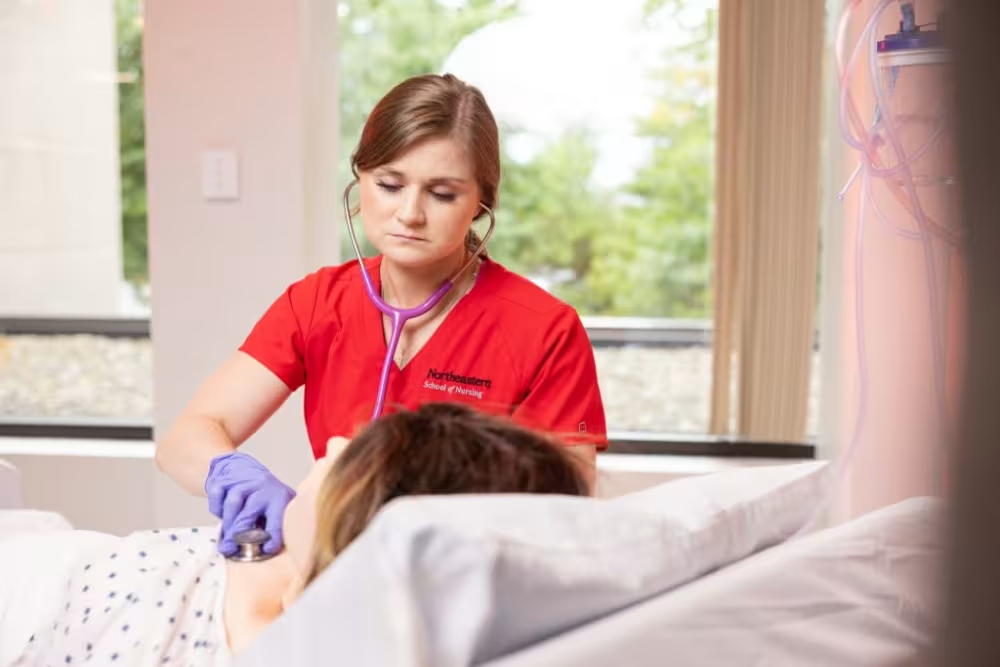
Pediatric emergency nurses assess and stabilize children experiencing sudden illness, injury, or trauma. They must prioritize quickly while recognizing that symptoms and normal vital signs differ by age. The work suits nurses who can remain organized in a fast-changing environment and communicate calmly with children and caregivers.
5. Pediatric Oncology Nurse
Pediatric oncology nurses care for children and adolescents with cancer and blood disorders. Depending on the setting and their training, they may administer treatments, monitor side effects, manage symptoms, and educate families. Because care may continue over time, nurses often build sustained relationships while helping families navigate complex decisions and changing needs.
6. Pediatric Home Health Nurse
Pediatric home health nurses provide skilled care in a child’s home, often for chronic or medically complex conditions. They may monitor health status, give medications, use specialized equipment, and coordinate with the child’s medical team. The role requires independence, close attention to safety and strong partnerships with family caregivers.
7. School Nurse
School nurse responsibilities may include responding to injuries and illness, supporting students with chronic conditions, and administering medications according to policies. They also collaborate with families, educators, and healthcare providers to reduce health-related barriers to education.
8. Pediatric Nurse Practitioner
A pediatric nurse practitioner (PNP) is an advanced practice registered nurse. They complete graduate education and advanced clinical training. A primary care PNP focuses on wellness, prevention, and common acute or chronic conditions. An acute care PNP cares for children with acute, complex, critical, or chronic illnesses across care settings.
How to Choose the Right Pediatric Nursing Specialty
The right specialty depends on more than an interest in working with children. Consider the clinical responsibilities, environment and preparation each role requires. Compare these factors:
- Patient age and acuity. Decide whether you are most interested in newborns, children across developmental stages, or patients who need critical care.
- Pace and work setting. Emergency and intensive care roles can change rapidly, while clinic, school, and home-based roles may provide more continuity.
- Communication and relationships. Some roles involve brief encounters, while oncology, primary care, and home health may involve longer relationships with families.
- Schedule and independence. Compare around-the-clock hospital shifts with the more regular schedules often found in offices or schools and the autonomy expected in home health.
- Education and credentials. RN roles may require unit-specific experience or training. Advanced practice requires graduate education, certification, and additional state authorization.
Clinical experiences, job shadowing, and conversations with practicing nurses can clarify what fits for you. Your first nursing position does not have to determine your entire career. Experience and continuing education can open other pediatric paths later.
Pediatric Nurse Organizations
You can learn more about specific pediatric nurse specialties through organizations like the following.
- American Pediatric Surgical Nurses Association
- Association of Pediatric Gastroenterology and Nutrition Nurses
- Association of Pediatric Hematology Oncology Nurses
- National Association of School Nurses
- Pediatric Endocrine Society
- Society of Pediatric Cardiovascular Nurses
- Society of Pediatric Nurses
- The National Association of Pediatric Nurse Practitioners

Northeastern's ABSN program is a top choice for future nurses. Find out why.
How to Become a Pediatric Nurse
There are several steps to becoming a pediatric nurse, including earning a nursing degree and becoming licensed.
1. Complete a Nursing Education Program
Begin by earning a nursing degree that qualifies you to pursue RN licensure. If you have prior college education, an accelerated pathway may build on that background. Northeastern’s ABSN curriculum spans four semesters and includes online courses, nursing labs, and clinical practice. Pediatric preparation includes Nursing Care of the Child and a corresponding clinical course.
2. Pass the NCLEX-RN and Obtain Licensure
After graduation, apply to the appropriate nursing regulatory body and register for the NCLEX-RN. Passing the exam is part of qualifying for RN licensure. Because requirements vary, use the National Council of State Boards of Nursing licensure guidance and the board of nursing in the state where you plan to practice.
3. Seek Pediatric Experience and Training
Apply for RN roles in pediatric units, practices, or other child-focused settings. Some employers offer nurse residency or orientation programs that combine classroom instruction with supervised clinical practice. Employers may prefer experience for higher-acuity roles, so a general pediatric unit can be one way to build foundational skills before pursuing a more specialized position.
4. Add Relevant Credentials as Your Career Develops
Employers may require life-support training or role-specific education. After gaining experience, RNs can also pursue voluntary pediatric certification. The Pediatric Nursing Certification Board requires Certified Pediatric Nurse exam candidates to hold an unrestricted RN license and meet a pediatric experience pathway. One current pathway requires at least 1,800 hours of pediatric clinical experience as an RN within the previous 24 months. Verify current criteria before applying.
5. Pursue Graduate Education for Advanced Practice
After you gain experience, you might consider expanding your education to take on more advanced roles. To become a pediatric nurse practitioner, first earn a BSN and RN license, then complete an appropriate graduate nursing program. PNPs must also meet state advanced practice requirements and pass the applicable national certification exam. Requirements vary by role and state, so review them before selecting a graduate program.
Why Pediatric Nursing Is a Rewarding Career
Pediatric nurses can influence a child’s health during important stages of growth and help families manage unfamiliar or difficult situations. The work can involve helping a child recover from a short-term illness, supporting a chronic condition, or guiding a family through complex treatment. It also offers variety across ages, settings, and specialties.
While nursing is a challenging and demanding field, building trust with children and helping families help make those demands worthwhile.
The U.S. Bureau of Labor Statistics does not publish a separate outlook for pediatric nurses, but it projects employment for all registered nurses to grow 6% from 2025 to 2035. It also projects about 180,800 RN openings each year, on average, during that period. Actual demand varies by specialty, employer, and location.

Start Your Nursing Journey at Northeastern
Northeastern University’s ABSN program can help qualified students use their prior education to prepare for RN practice in as few as 16 months. The hybrid curriculum combines online coursework, in-person nursing labs, and clinical rotations, including experience in pediatrics, and prepares graduates to take the NCLEX-RN.
If you are ready to explore a nursing career, request information to speak with an admissions counselor about the program.